The global sustainable packaging market is expected to surpass $440 billion by 2027. Businesses that adapt now will gain a lasting competitive edge — those that don't risk being left behind by consumers, regulators, and partners who demand greener choices.
1. 🌿 The Rise of Plant-Based & Compostable Materials
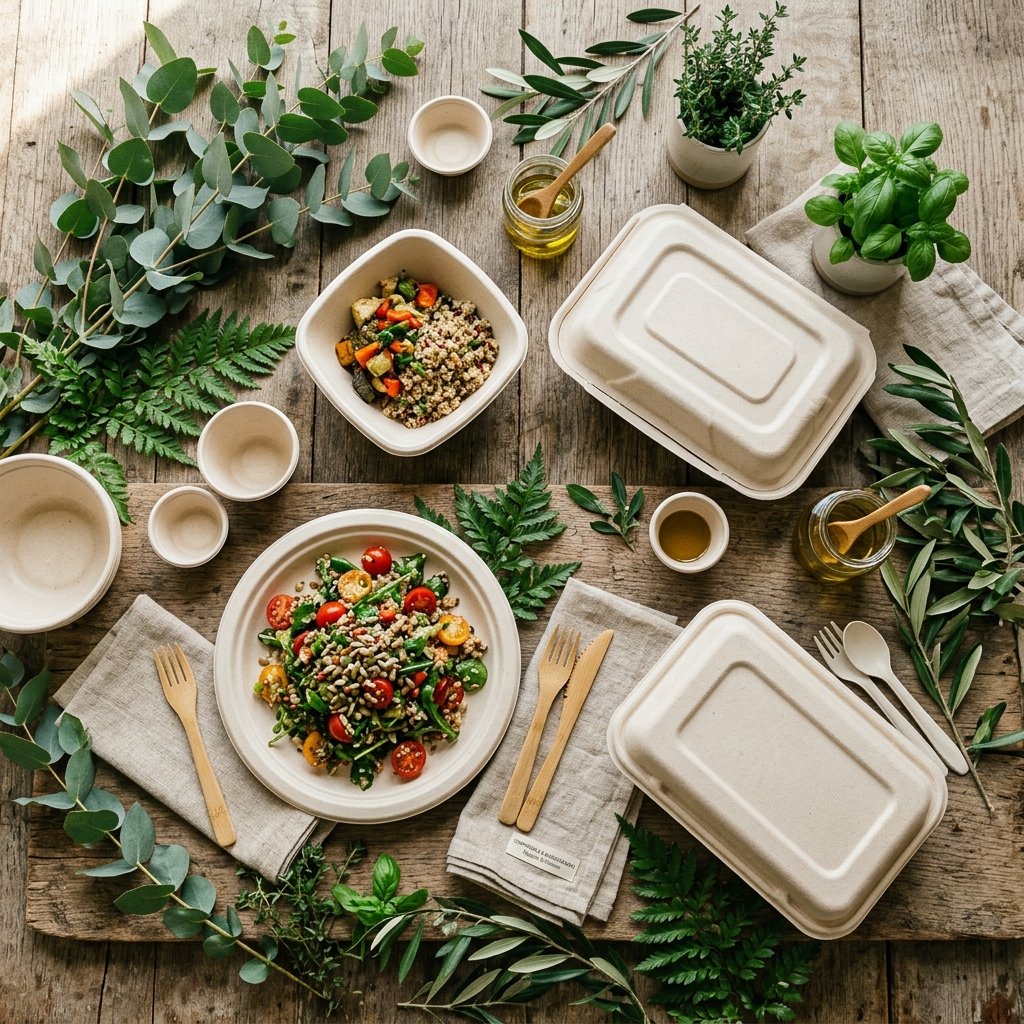
Sugarcane bagasse, bamboo, cornstarch (PLA), and mushroom packaging are rapidly replacing petroleum-based plastics. The key driver? Compostability certifications such as EN 13432 (Europe) and ASTM D6400 (USA) which are now required by major retail chains before supplier onboarding.
Pangea International's sugarcane bagasse range is produced under strict food-safety standards — microwave-safe, grease-resistant, and certified compostable within 90 days.
2. ♻️ Non-Woven Fabrics Replacing Single-Use Plastic Bags
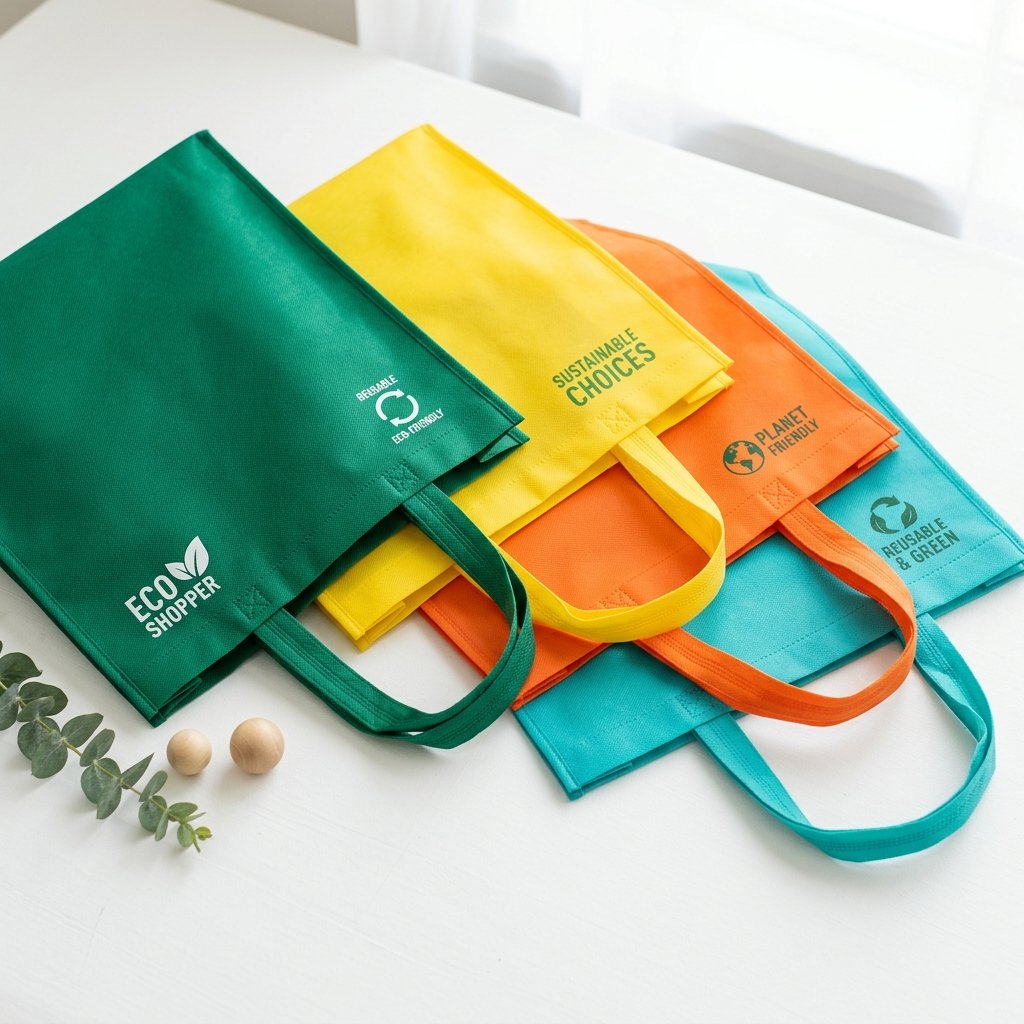
Over 127 countries have enacted full or partial bans on single-use plastic bags as of 2026. Non-woven polypropylene bags have emerged as the most cost-effective and scalable alternative for supermarkets, retail chains, and grocery stores worldwide.
Benefits of non-woven bags include:
- ✦ Reusable up to 50-100 times vs. single use for plastic
- ✦ Full-color custom branding opportunities
- ✦ Lower carbon footprint per use cycle
- ✦ Cost-competitive at scale (as low as $0.10 per unit for bulk orders)
- ✦ Available in D-Cut, U-Cut, Loop Handle, and W-Cut styles
3. 📦 Smart Packaging & QR Code Integration
Brands are embedding QR codes on non-woven bags and packaging to deliver instant product provenance, recycling instructions, and loyalty programs. This digital-physical integration transforms a simple bag into a customer engagement platform.
4. 🏷️ EPR (Extended Producer Responsibility) Laws Tightening
India's Plastic Waste Management Rules (2022 amendment), EU's Packaging & Packaging Waste Regulation (2025), and similar laws globally are forcing brands to take end-of-life responsibility for their packaging. Companies sourcing certified compostable or recyclable packaging are proactively compliant.
5. 🧾 BPA-Free Thermal Paper Mandates
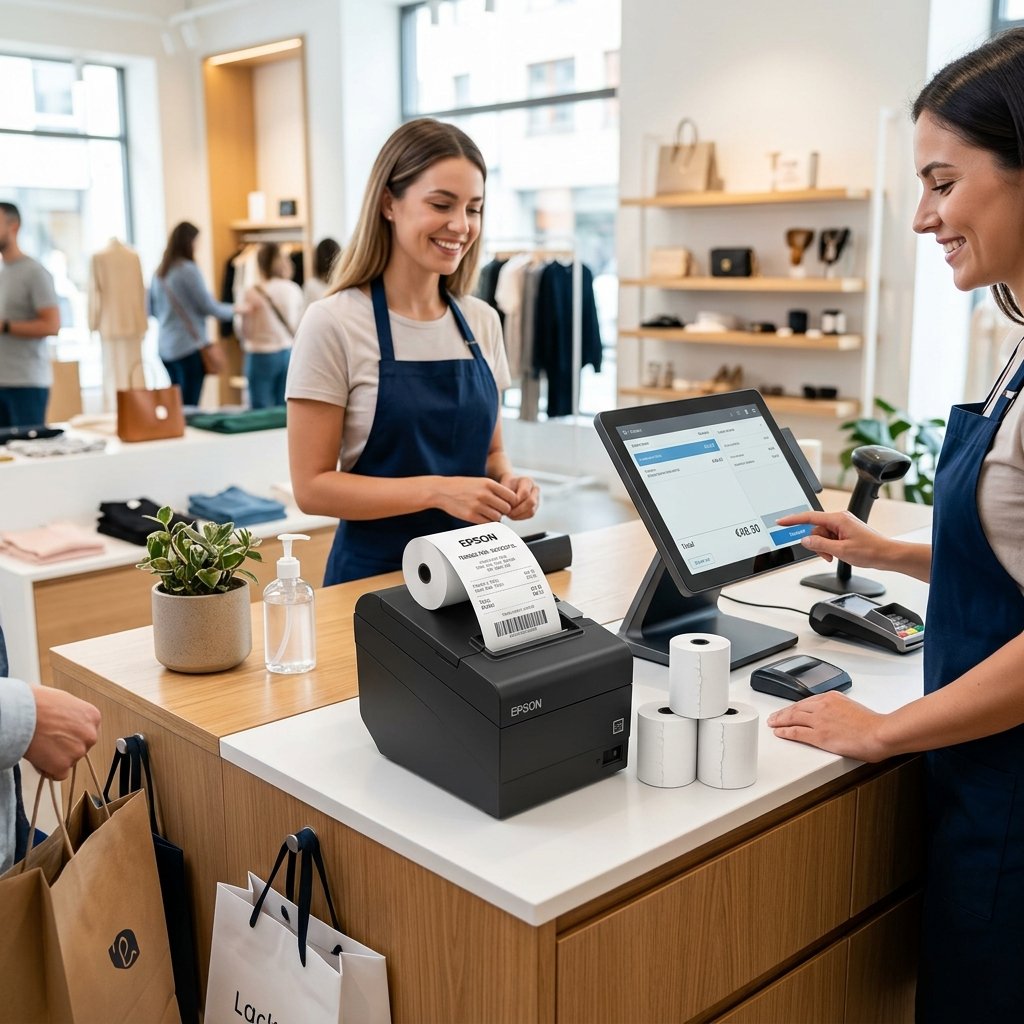
The EU officially restricted BPA in thermal paper in 2020, and similar regulations are spreading globally. Retailers and restaurants sourcing BPA-containing rolls now face fines and retailer de-listing. Our BPA-free thermal rolls ensure your business stays compliant while maintaining print quality.
6. 🌍 Regionalized Supply Chains for Faster Delivery
Post-pandemic, global brands are diversifying from single-source supply chains. India has emerged as a tier-1 packaging export hub — offering cost advantages of 30-40% vs. Western suppliers with comparable quality and faster lead times than Chinese alternatives.
7. 💡 Minimalist Design Reducing Material Usage
Brands like Apple, Unilever, and thousands of SMEs are embracing "less is more" packaging philosophy — thinner walls, reduced packaging layers, and right-sizing products. This not only cuts material costs but dramatically reduces shipping weight and carbon emissions.
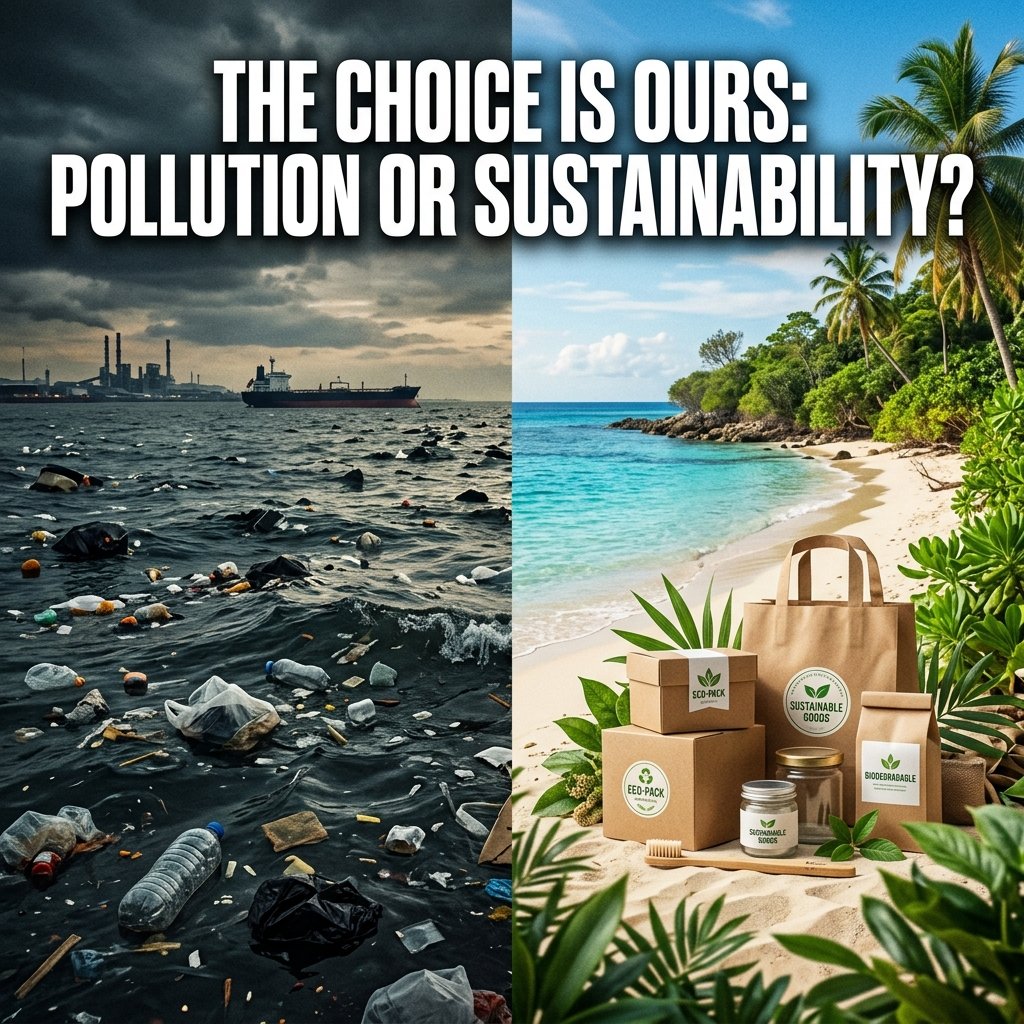
Conclusion: Act Now or Pay Later
The sustainable packaging revolution isn't coming — it's here. Businesses that transition now gain first-mover advantages: better pricing, regulatory compliance, improved brand equity, and loyal eco-conscious customers.
At Pangea International, we've been at the forefront of this transition for over 15 years — manufacturing and exporting non-woven bags, bagasse products, and BPA-free thermal rolls to 50+ countries. We'd love to help your business make the switch.